Regular NETS Details
Please send upcoming date – time – frequency of nets information for publication on this page to webeditor@vmars.org.uk
In this section you will find details of radio nets run by the Vintage & Military Amateur Radio Society and by members under their personal arrangements. These nets are NOT exclusively for VMARS members. All licenced amateurs are most welcome to join in and all we ask is that you follow the purpose of the net, for example by using A.M., USB or LSB where specified. Scroll down the page for more information.
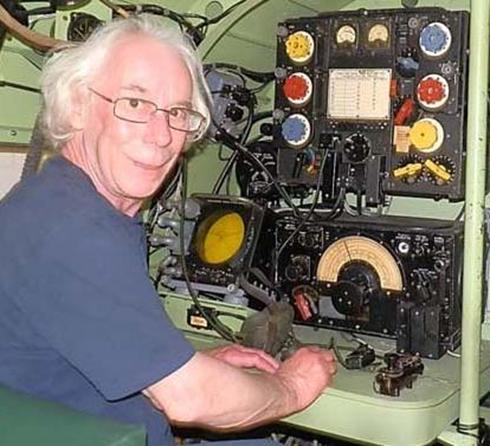
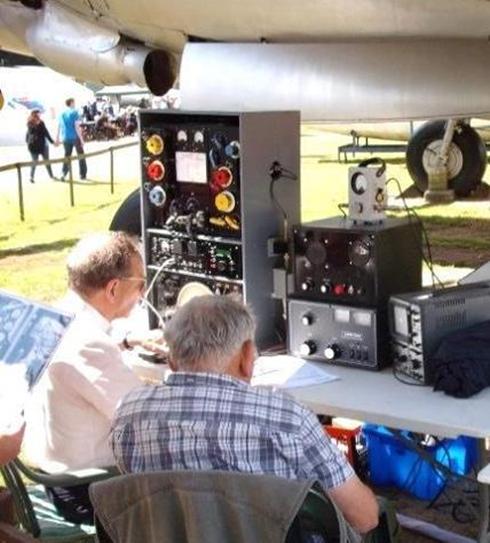
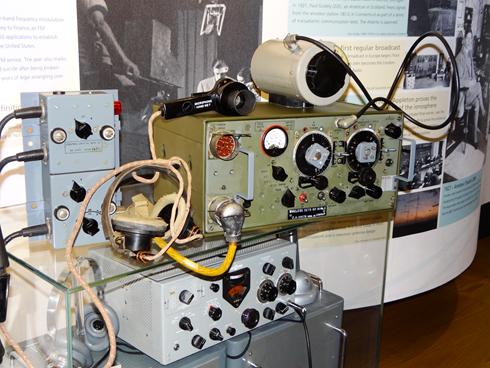
VMARS member Pete Shepherd, G7DXV, with the Marconi T1154 transmitter and R1155 receiver installed on many British aircraft in WW2 and later.
VMARS controlled Amplitude Modulation nets are held at 08:30 on every Saturday morning. The frequency is 3615KHz and the Society welcomes all AM stations using vintage or modern equipment. Operators do not need to be members of VMARS to join in.
There is also an informal net of UK AM stations and occasional Continental stations which operates daily on 3615KHz, beginning at about 07:00, depending on the band being open for inter G contacts, and usually active until around 09:00.
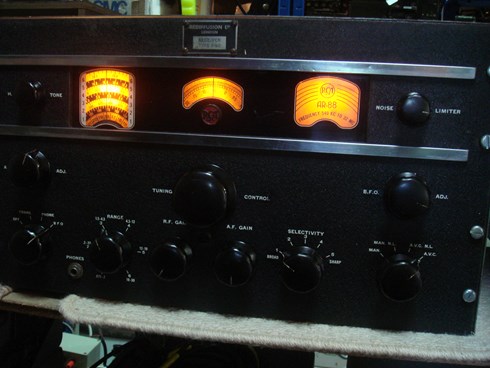
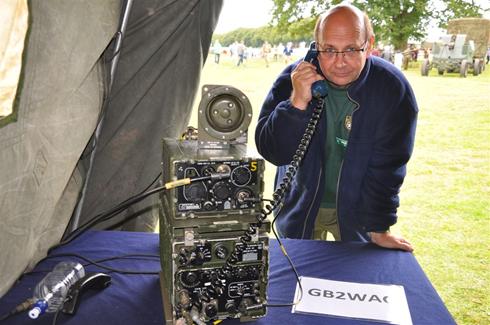
Click on the RCA AR88D communications receiver pictured above to listen to a recording of the net held on New Years Day 2022, run by Keith Yates, G3XGW and beginning with the pre-net working and the New Years Day VMARS members exchange of greetings run by Tony Baron, G3YYH. This recording runs for 1hr 45minutes and was made in central Brittany, NW France on Saturday 1st January 2022 by F4VSC using a Perseus SDR receiver on a full wave 80m loop aerial.
To view an edited update copy of the Net Controller Rota click here
Call signs marked ** are edited changes to the published rota which have been notified to webeditor@vmars.org.uk
To download a printable original PDF copy of the Net Controller Rota click here
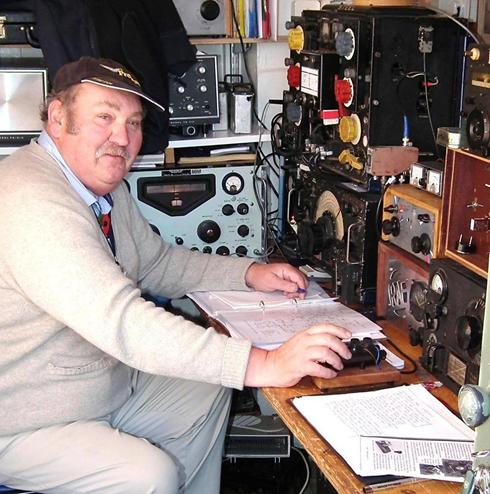
Click on the VMARS Net Controller Gallery to see photos of the regular VMARS AM Net Controllers and their shack.
SSB nets
The society also runs SSB nets. A USB net takes place each Wednesday at 20:00hrs local time on 3615KHz +/-QRM to provide an opportunity for those who wish to use their unmodified military sets which operate in USB only. There is an LSB net on Friday evenings to encourage members to keep in touch on-air. This takes place at 19.30 and uses LSB on 3615KHz +/- QRM.
Special on-air events
From time to time, the Society runs special events, generally on the 40m, 60m and 80m bands, which specialise in use of vintage equipment or to commemorate some historic event with “wireless” connections. These are advertised to members in the News Sheet, and also on the Society’s website.
The VMARS call-sign is M0VMW
The SRS Nets
The Dutch Surplus Radio Society run AM and SSB nets for vintage enthusiasts, full details are on their website here .
Other AM Activity Frequencies
AM activity is increasingly found on a number of other bands, in particular: 5317KHz, 7143KHz, 14286KHz, 21425KHz and 29000 – 29150KHz. There are several local AM nets in the UK on topband.
FM Frequencies
For mobiles working into VMARS events, 2m calling in on 145.500MHz (S20) is usual, before QSY to a working frequency. At event locations where military equipment is in use, suggested FM “Centres of Activity” on VHF are 51.700Mhz, 70.425MHz (70.450MHz calling).
VMARS NETS & RECOMMENDED FREQUENCIES
All times are UK local
| 3615 KHz AM | Saturday AM net 08:30 – 10:30 |
| 3615 KHz USB | Wednesday USB net for military equipment 20:00 – 21:00 |
| 3615 KHz LSB | Friday LSB net 19:30 – 20:30 |
| 3615 KHz AM | Regular informal net from around 07:30 – 08:30 and throughout the day |
| 3546 KHz 3563 KHz CW +/- QRM | CW Practice sessions run by Colin G3TSK and Keith G3XGW are operated at 09:00 Monday & Friday on 3546KHz. These sessions are not nets but reports will be acknowledged. See above for more details. Calling Frequency for CW. Scheduled operating times are 10:00 hrs and 19:00 hrs Daily. This is an informal net established to encourage greater use of CW by VMARS members, but non-members are welcome to join in. |
| 5317 KHz AM | Regular AM QSO’s, usually late afternoon. (Advanced licence required. 6Khz max bandwidth) |
| 7143 KHz AM | VMARS AM operating frequency |
| 51.700 MHz FM | VMARS FM operating frequency, also used at rallies and events |
| 70.425 MHz FM | VMARS FM operating frequency, also used at rallies and events |
CW Practice Sessions
CW practice sessions are run by Colin, G3TSK in Somerset and Keith G3XGW in Gloucestershire.The practice sessions take place on Mondays and Fridays starting at 09:00 local time and last about 30 minutes. The frequency is on 60m, around 5.259MHz. Speeds are approximately 14, 16 and finally 18wpm. Listeners are invited to email G3XGW to be added to a group email to receive texts for checking. Keith’s email address is correct in the VMARS members list and on QRZ.com. The practice sessions are not nets, although brief reports will be acknowledged at the end of the session (in CW, of course!).
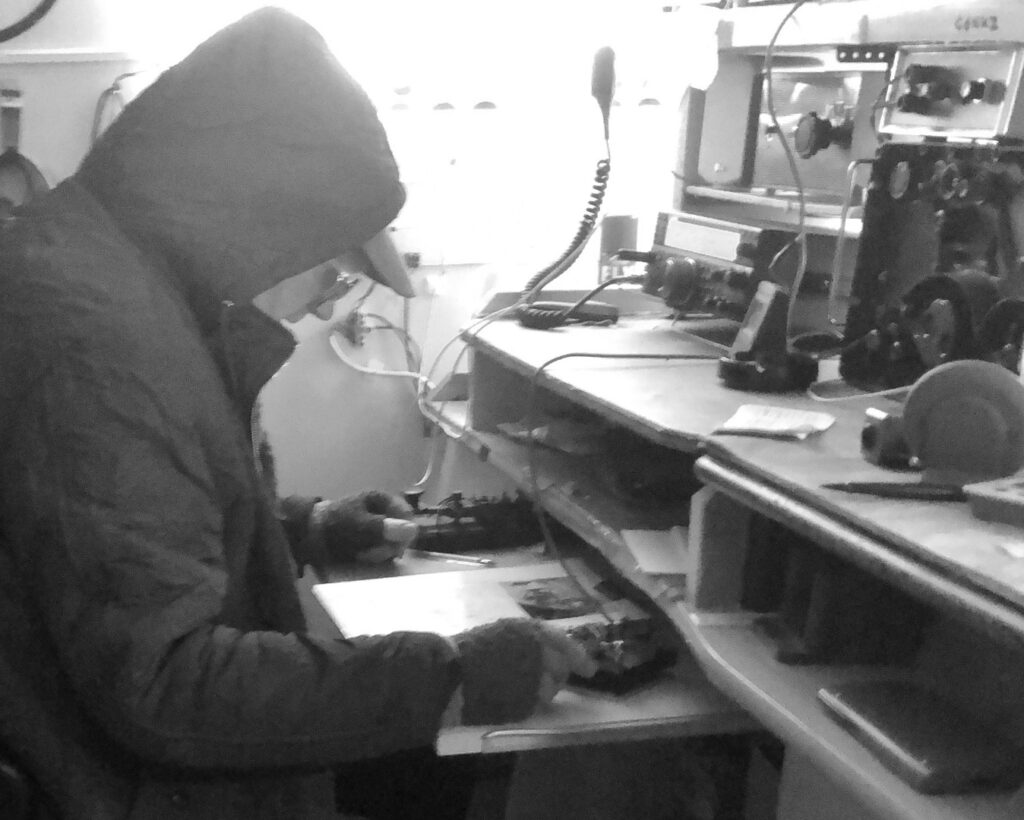
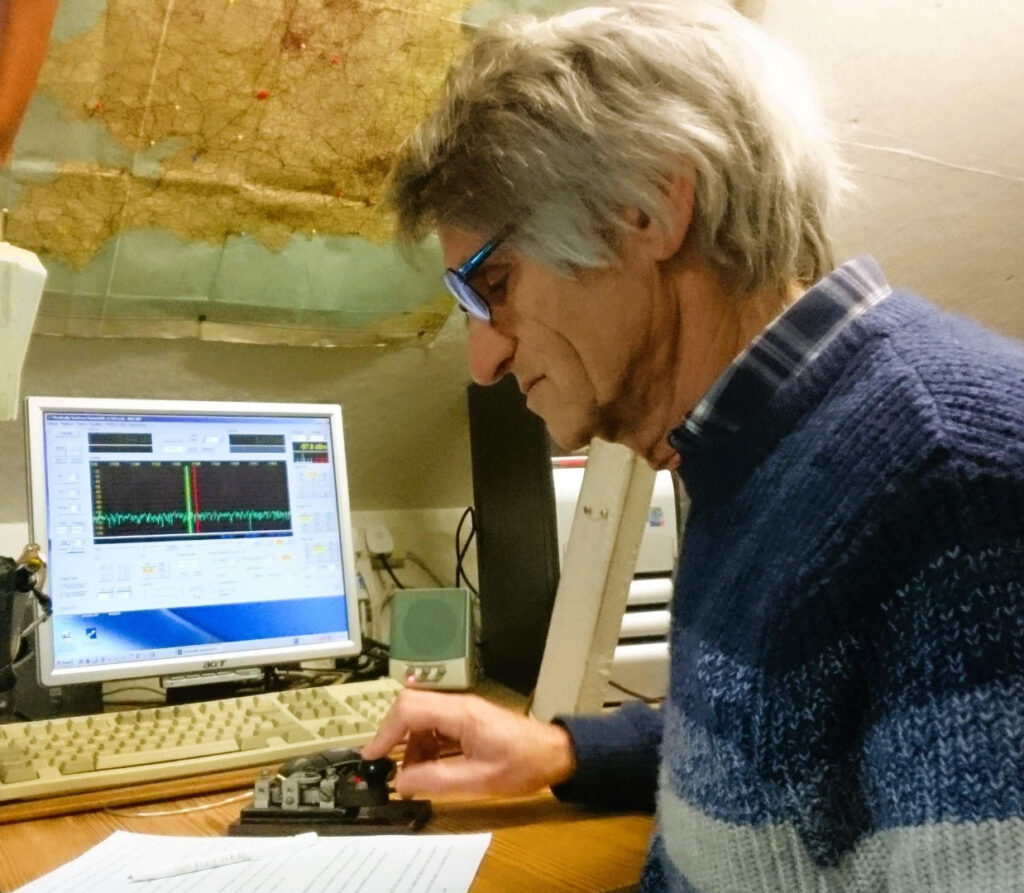
Top – Colin G3TSK, running a morse practice session at below zero temperatures in mid-January, with below, Keith, G3XGW, enjoying the comfort of his heated shack.
Normandy Landings Beach Zone Expedition June 2024
VMARS members join the 80th anniversary commemorations
James Burrough, M7JBZ, has kept a blog of the expedition crew which can be followed here https://afpu.weebly.com/
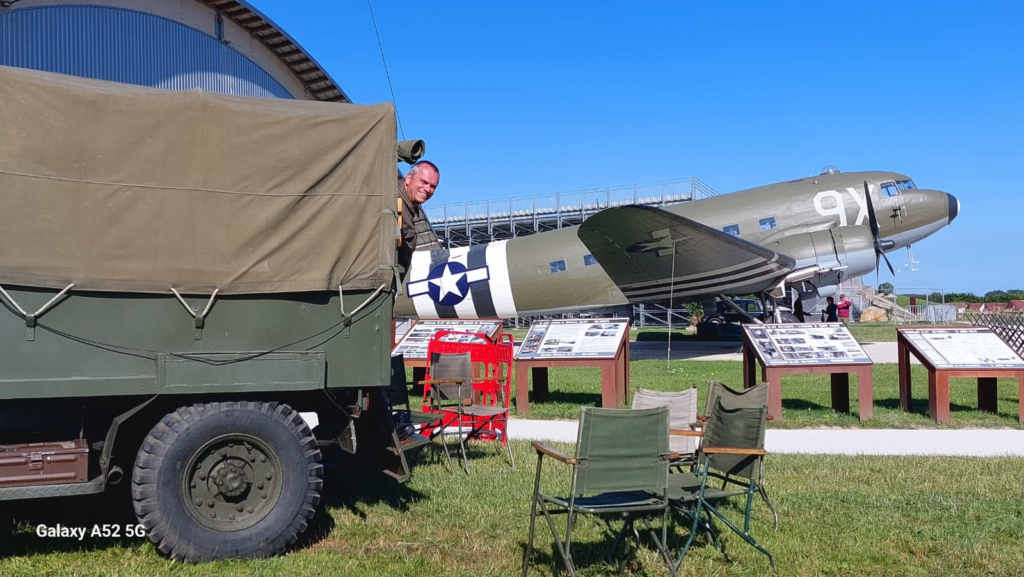
Merville Gun Battery Museum – TM80MGB – VMARS member Martin Smythe, M0MGA, one of the two co-owners, on board the Chevrolet Canadian Military Pattern lorry, widely used by the British and Canadian armies in 1944. In the background, the Douglas C-47 Skytrain aircraft – designated “Dakota” by the RAF – nicknamed SNAFU.
Details of the assault and capture of the Merville Gun Battery can be found here

Pegasus Bridge Museum – TM80PB. Early morning on June 6th 2024. The CMP lorry is loaded with fully operational WW2 wireless equipment and is in position here parked alongside the original Caen Canal bascule bridge in the museum. By prior arrangement with the museum, a 15 metre tall Inverted Vee Half Wave aerial for 80m operation was erected for communications with AM stations on a controlled net beginning at 06:00 local time on 3615KHz. The net was run by Paul, M1PVC from his home QTH in East Sussex and lasted for almost 5 hours attracting 77 call in stations.
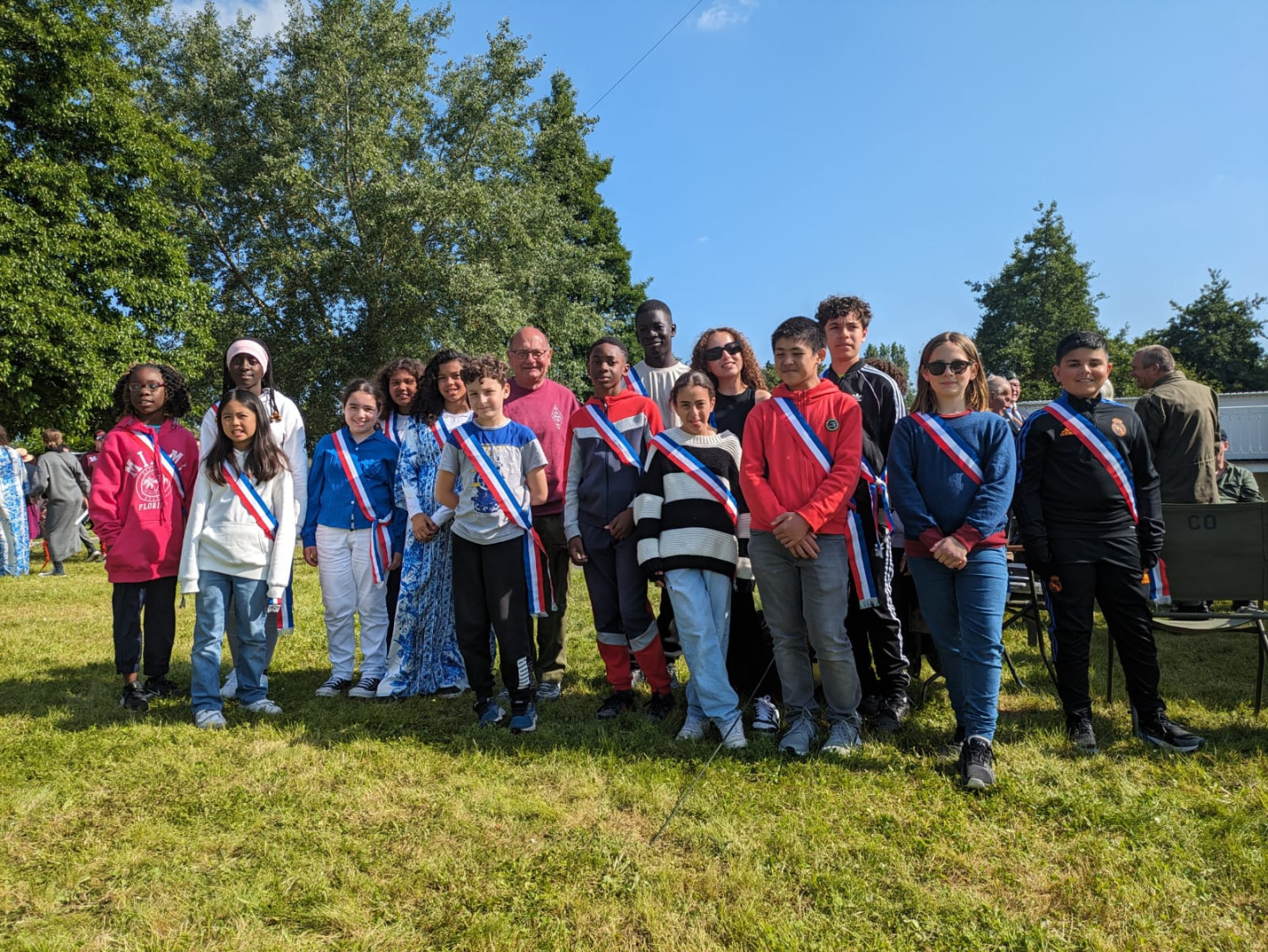
Tony Barron here after demonstrating the equipment in the CMP and telling these French school children visiting the Pegasus Bridge of the importance of radio communications in the military actions. They asked how old he was in the war!
The station will be operating in Normandy for a few days until 15th June at various locations which had significance in the 1944 Normandy landings. For direct contact with the CMP vehicle listen on 3615kHz A.M. from around 07:30 BST and on 7070kHz USB during the day. Some efforts will be made to link up on 51.700mHz F.M. but these will be dependant on 6m propagation.

VMARS members after arriving in Normandy from England on Wednesday 5th June with the 1943 Canadian Military Pattern lorry – CMP and a support vehicle, the crew refresh themselves and prepare for the rigours of the coming week. Left to right -Tony Barron, G3YYH, – Martin Smythe, M0MGA – James Burrough, M7JBZ – Rik Proctor M7NTS – Rich Bamber, M0XRB – Trevor Sanderson, PA3BOH.
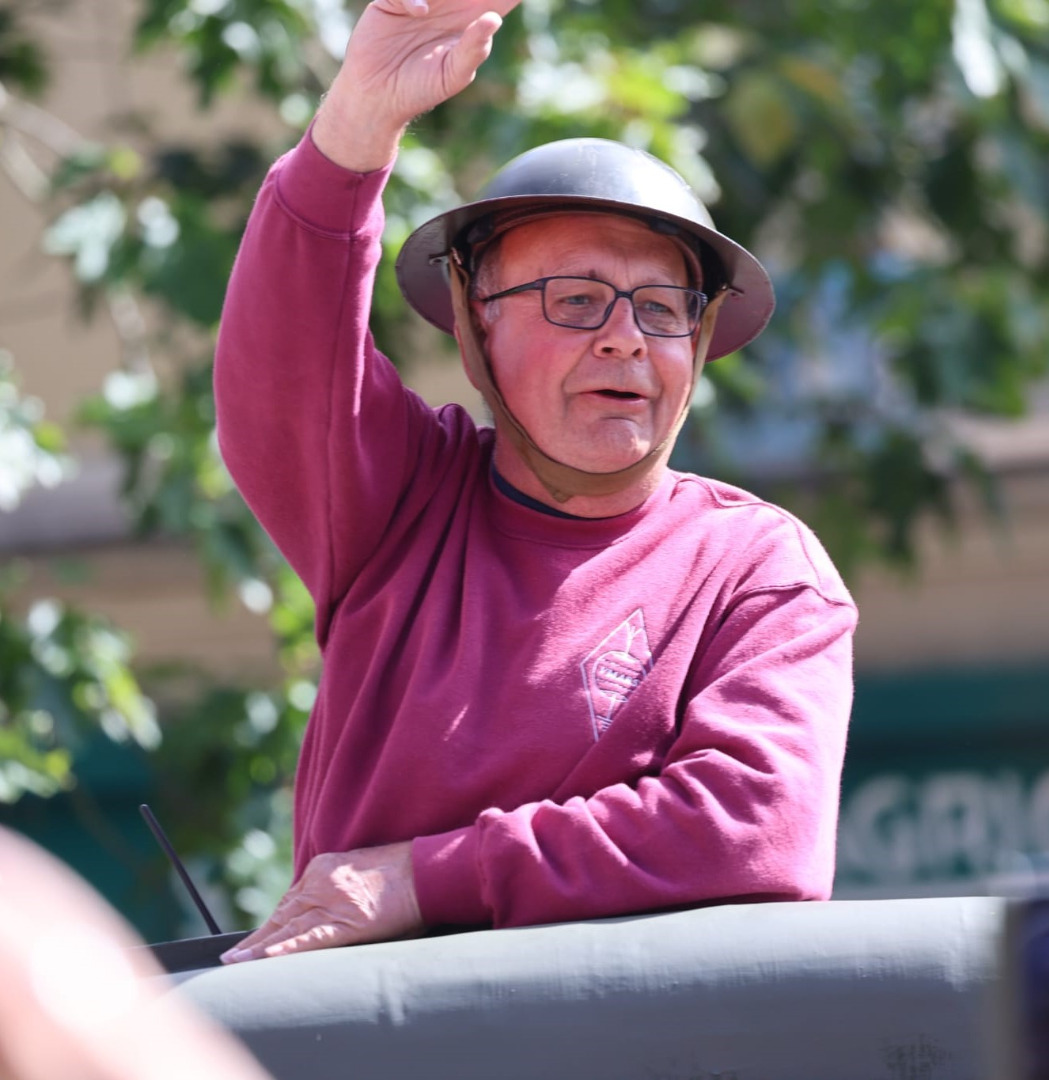
Douvres-la-Délivrande – Tony Barron, G3YYH, wearing a WW2 helmet waving to the crowds from the CMP as it led the 1940’s vehicle parade
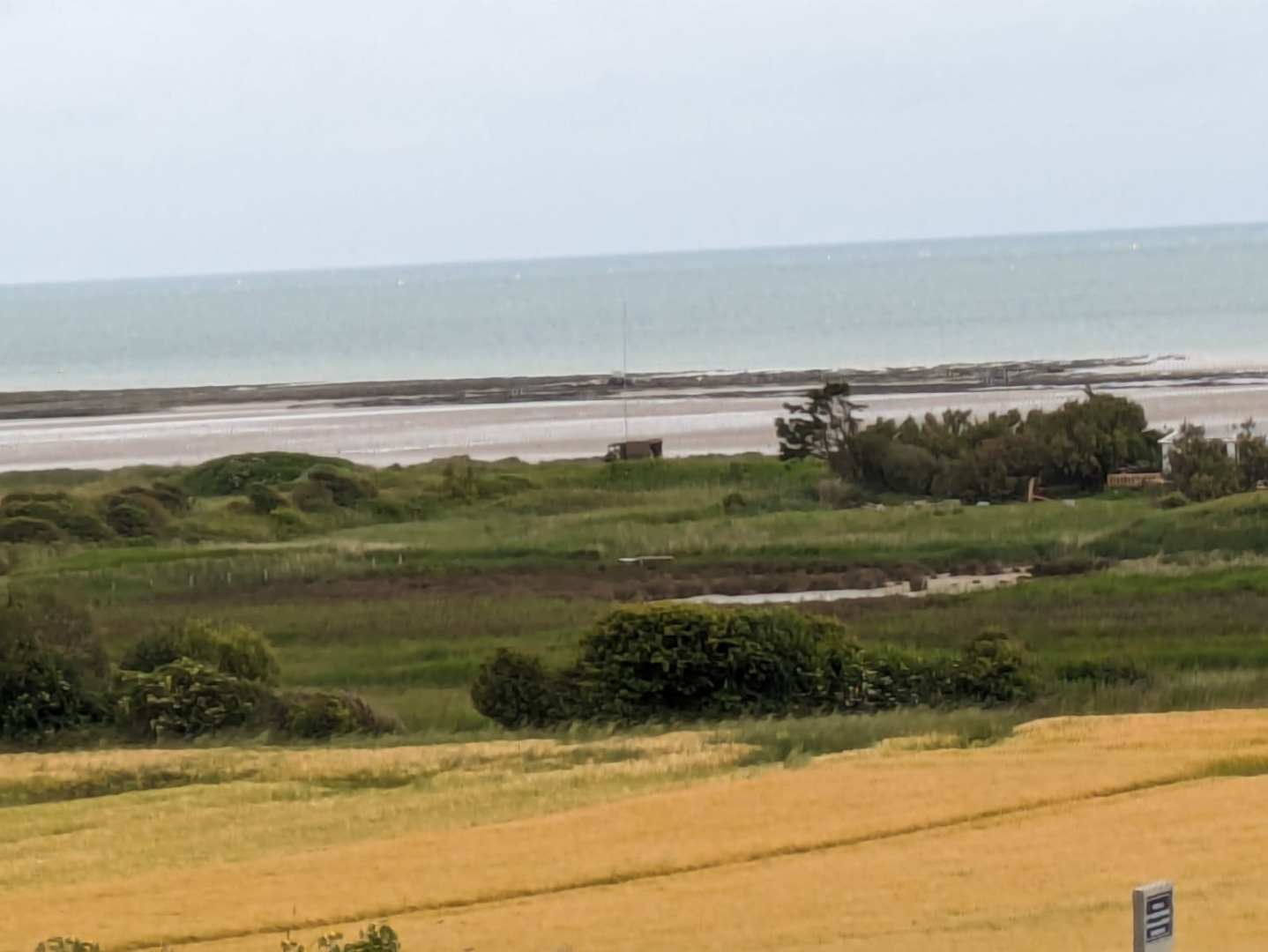
Gold Beach – TM80GOLD, Viewed from Ver-Sur-Mer – the CMP working from Gold Beach on the morning of 10th June 2024 at low tide
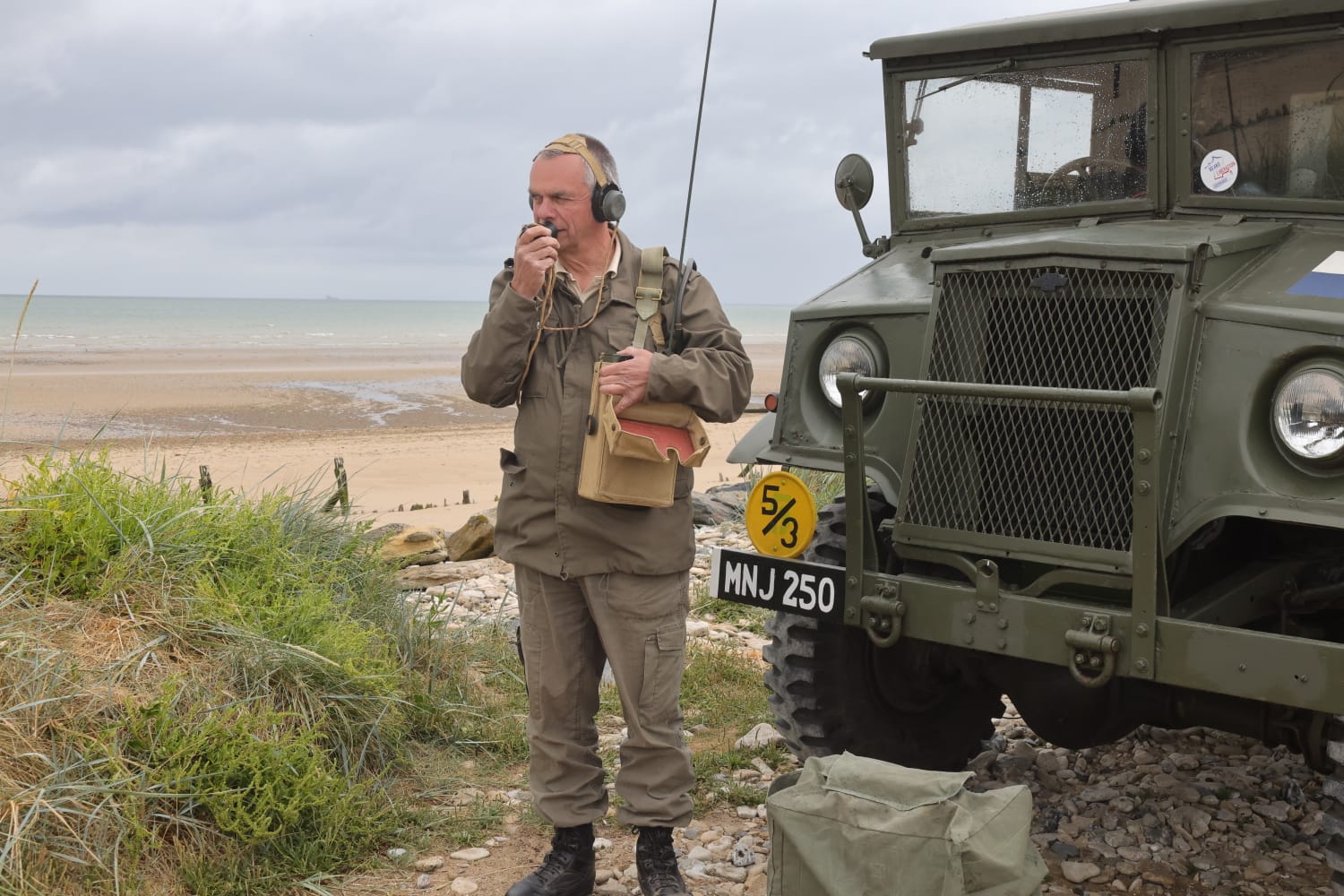
Martin, M0MGA operating a Wireless Set No.46 used by Beach Masters on D-Day

Wireless Set No.46. A crystal controlled man-pack built by EK Cole at their factories in Woking and Southend-on-Sea during WWII. Water resistant and used by British paratroops and by Beach Masters like Captain Colin Maud R.N. on D-Day for controlling beach landings. Three crystal controlled channels in the fequency range of 3.4 – 9.1 Mc/s and about 700mW RF output on AM and up to 1.5 watts on MCW. The set has six valves which include 2 x ARP12’s, an ARP37, an ARTP2,an AR8 and an ATP4 in the final. Power originally came from 150v and 3v batteries but VMARS users usually employ a small 6v battery inverter to supply these voltages when operating the set as a portable man-pack. It can be used with a whip aerial or with a wire aerial through a 40pf capacitor to achieve longer ranges. When conditions are right, VMARS users have frequently achieved good point to point contact between WS.No.46 sets over distances in excess of 200 miles (320Km) using wire aerials on 3615Kc/s. Probably the best British man-pack of WWII


Gold Beach – Flypast over the beach, morning 10th June 2024 in weather more like that experienced by D-Day invasion forces on 6th June 1944

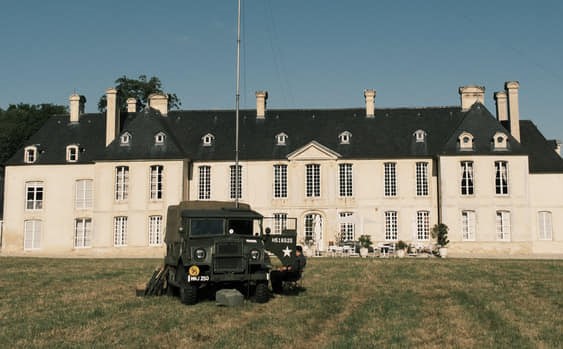
Chateau d’Audrieu – TM80RWR. Operating from the grounds of the Chateau to honour the memory of the Royal Winnipeg Rifles and Green Howards men who were massacred by German 12th SS troops on the night of 7/8th June 1944 after they had surrendered

Equipment on the CMP – L-R: Wireless Set No.19 transceiver with RF amplifier on top. Wireless Set No.76 transmitter with R109 receiver.
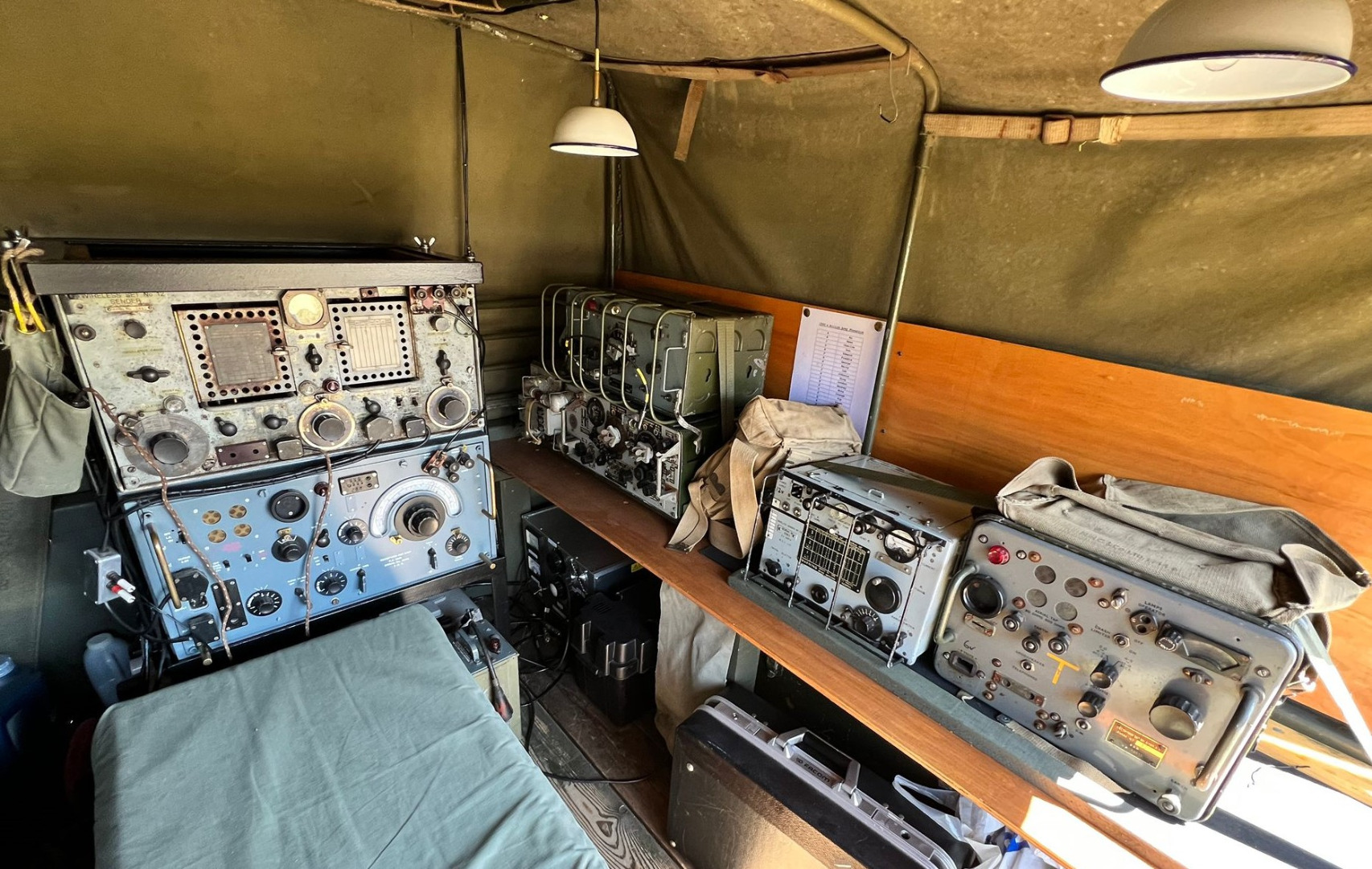 Equipment on the CMP – Left – top, Wireless Set No.12 transmitter, bottom, R107 Receiver
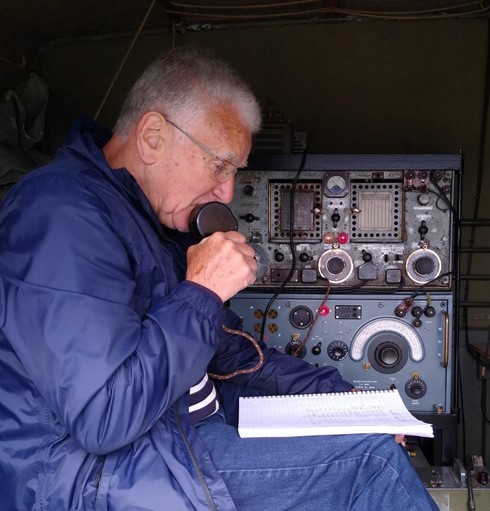

VMARS members Martin, M0MGA and Trevor PA3BOH, operating the Wireless Set No.12 transmitter and R107 receiver with the call sign TM80GOLD from the CMP at Gold Beach on the 3615KHz morning net 10th and 14th June 2024
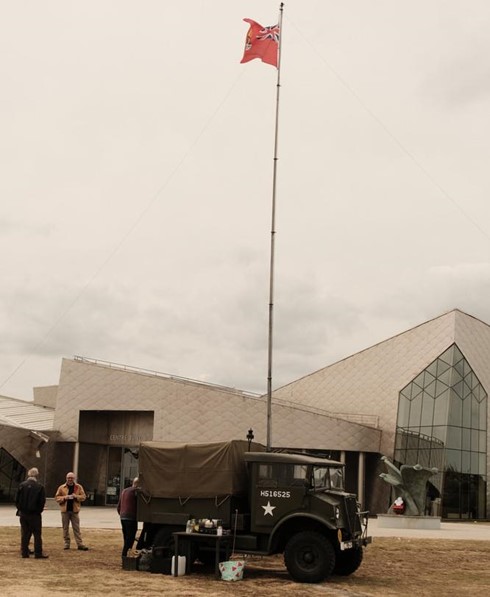
On Thursday 13th June the CMP radio truck and equipment was invited to take part as a publicised exhibit of the Juno Beach Centre, the Canadian Normandy museum. This was a pre-organised visit which was promoted by the museum and publicised in their advanced promotional campaign. This was a fitting display and practical use of the Canadian built lorry and of the Canadian made wireless equipment installed inside, as well as an interesting practical demonstration over several hours making direct radio contact with stations in England & Wales, France, Belgium and the Netherlands using the ANFR issued callsign TM80JUNO. Click here for information on the Juno Beach Landings.

These two local visitors to the CMP showed much interest in the exhibits and brought an infectious smile to the crew
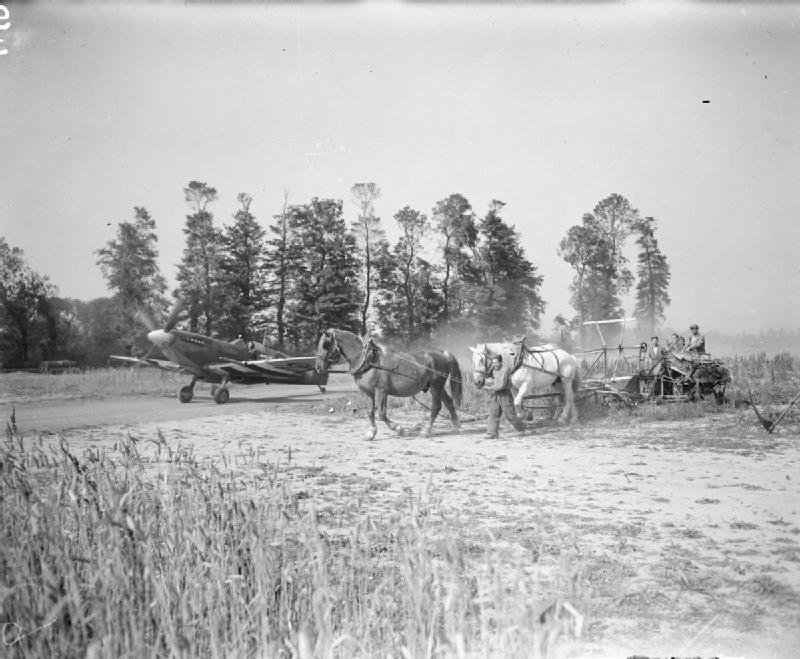
A Spitfire taxis past local farmers harvesting wheat at B-2 Bazenville Advanced Landing Ground in June 1944
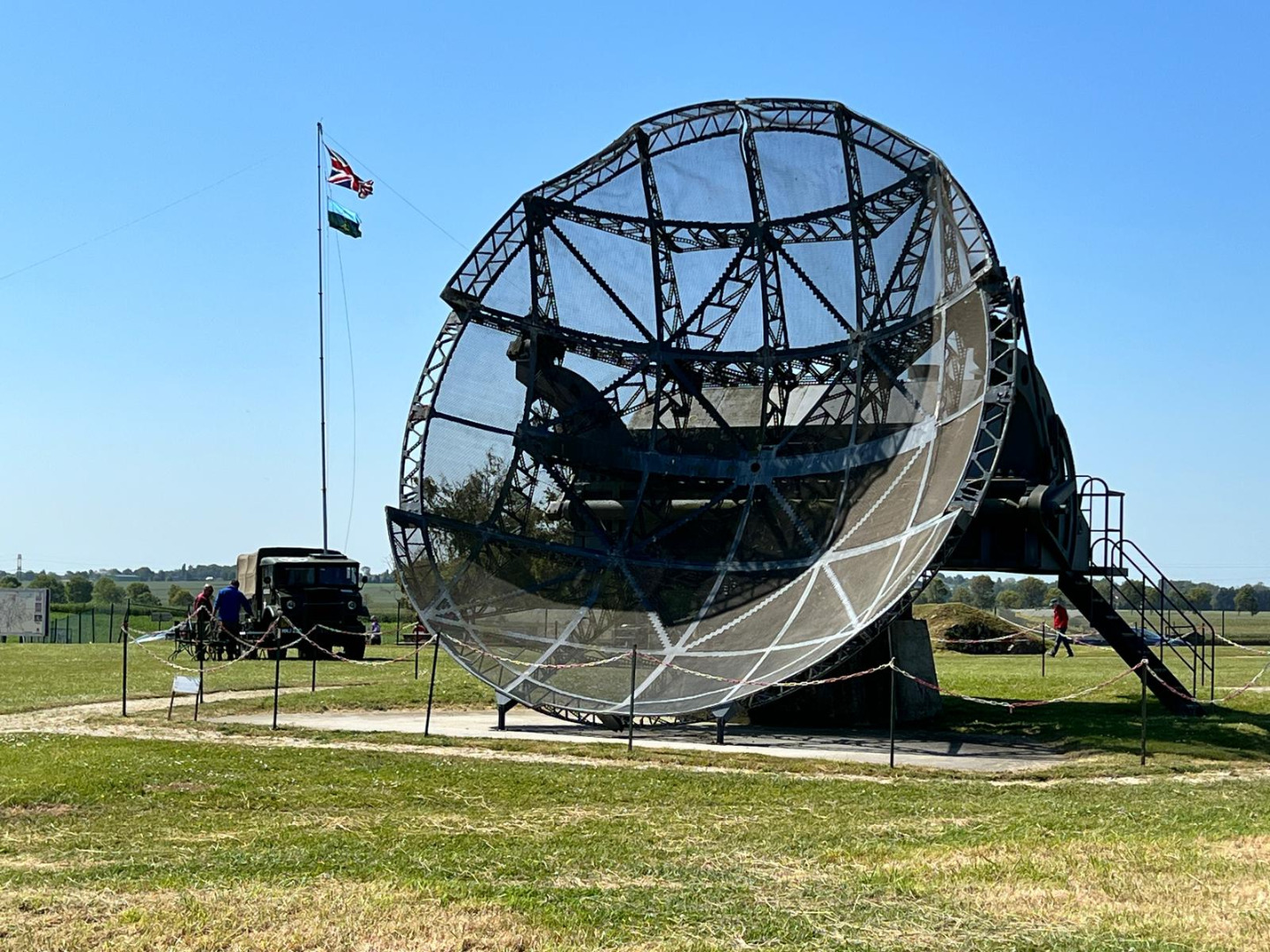
The CMP with the Luftwaffe Würzburg Radar at Douvres in 2023
For more information click here for the Luftwaffe Douvres Radar Station link
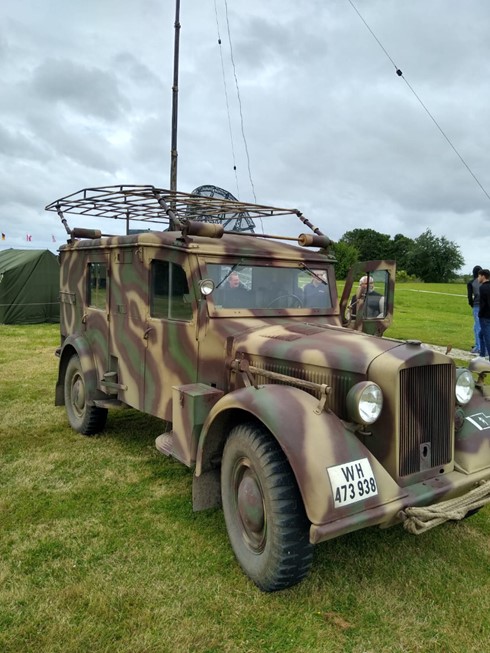
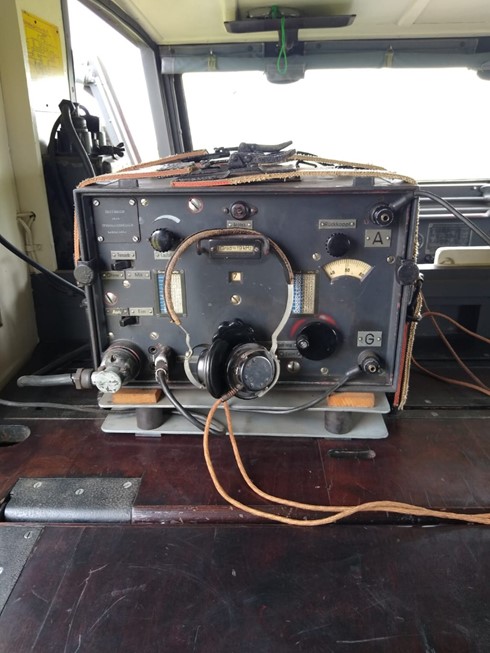
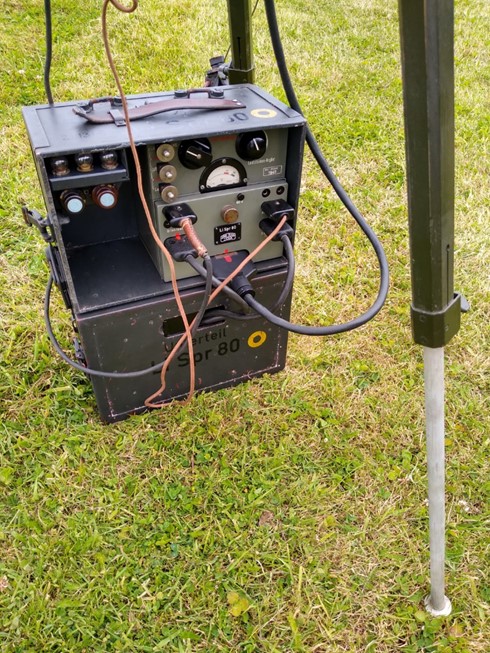
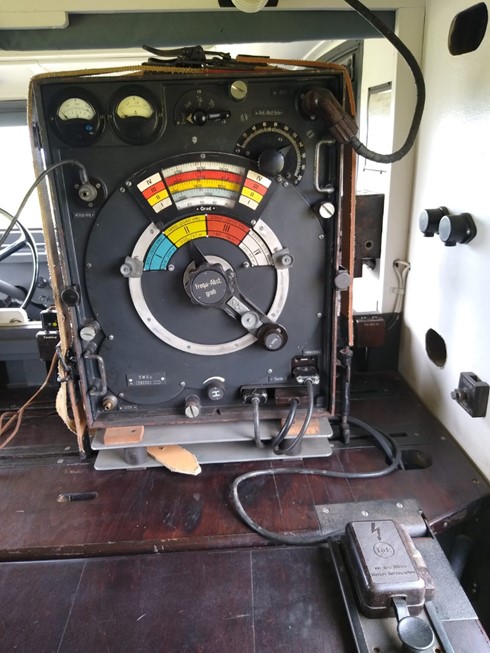
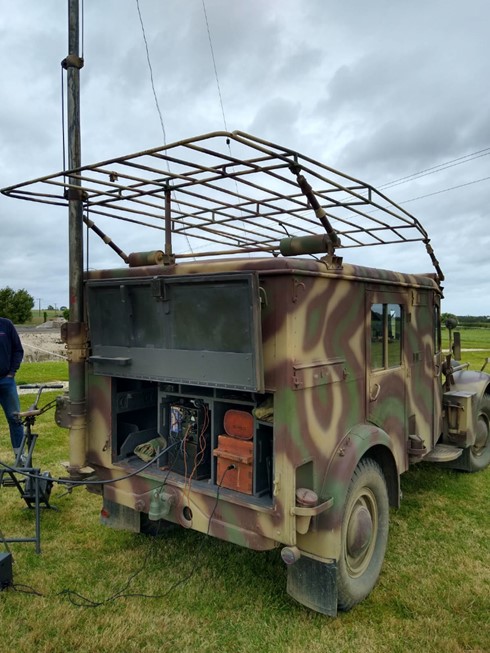
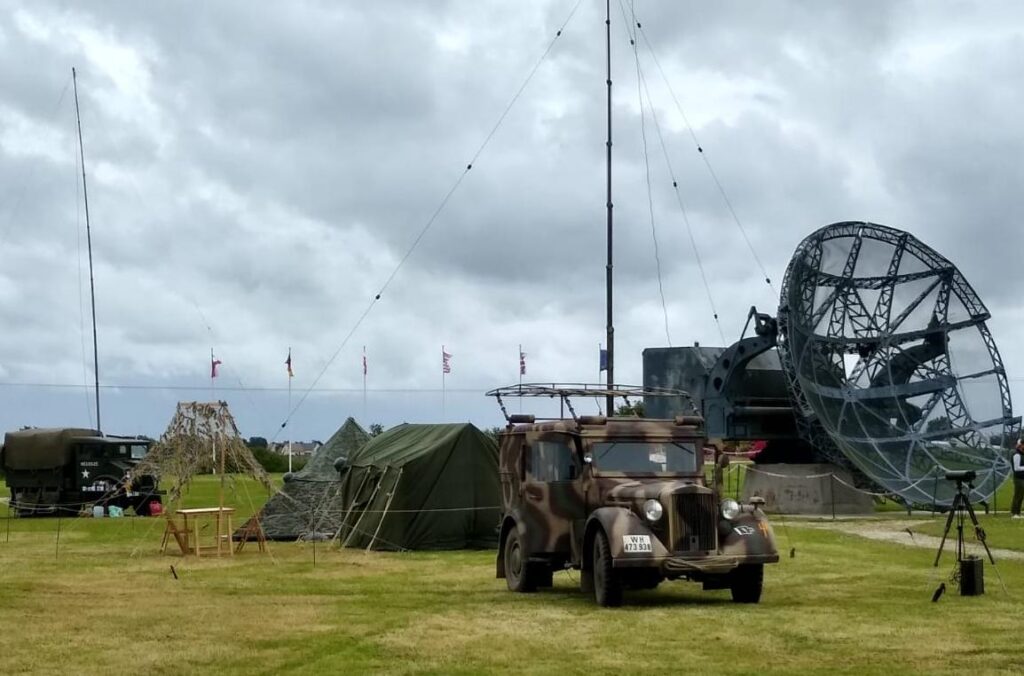
Photographs here are of a WW2 German Wehrmacht wireless truck visiting the Douvre Radar museum on Saturday 15th June 2024
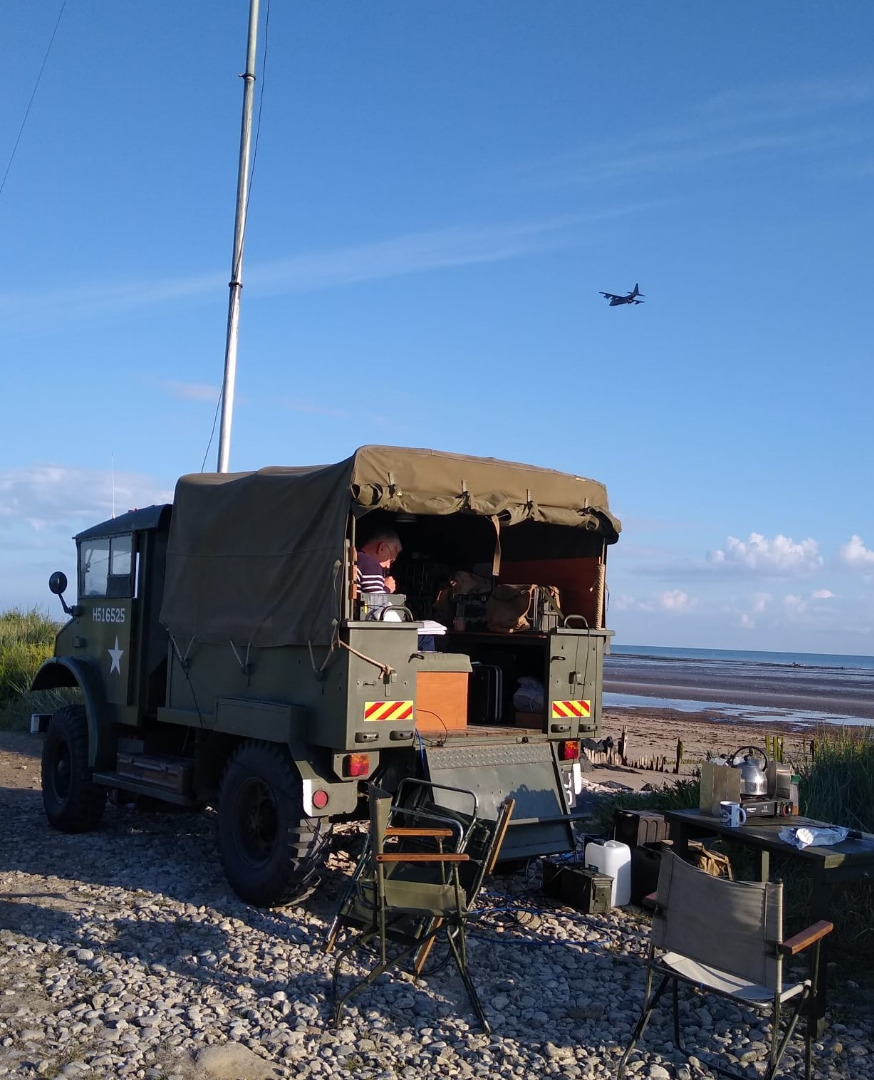
Early morning on Gold Beach 11th June 2024, the CMP is set up for the TM80GOLD wireless station
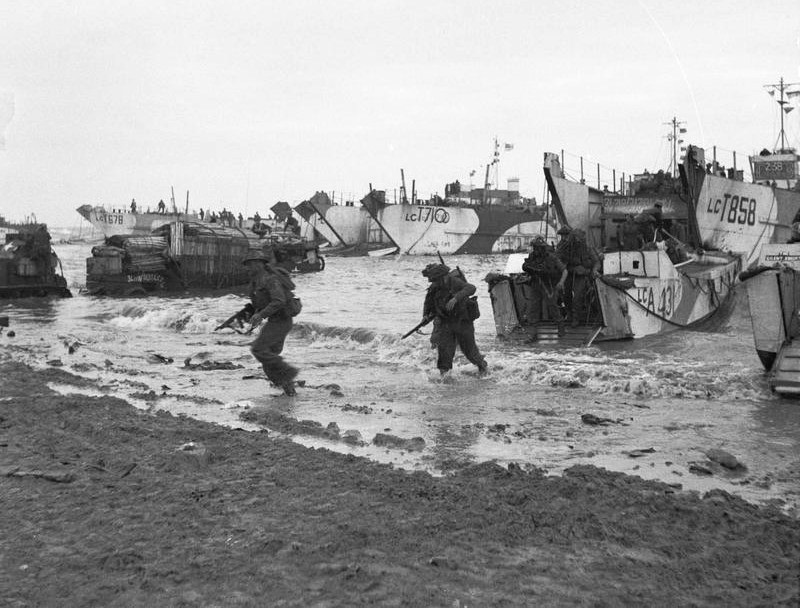
Below:- Early morning on Gold Beach 6th June 1944, British troops leading the beach assault
For information about Canadian Military Pattern lorries, extensively used by British forces, click on this link
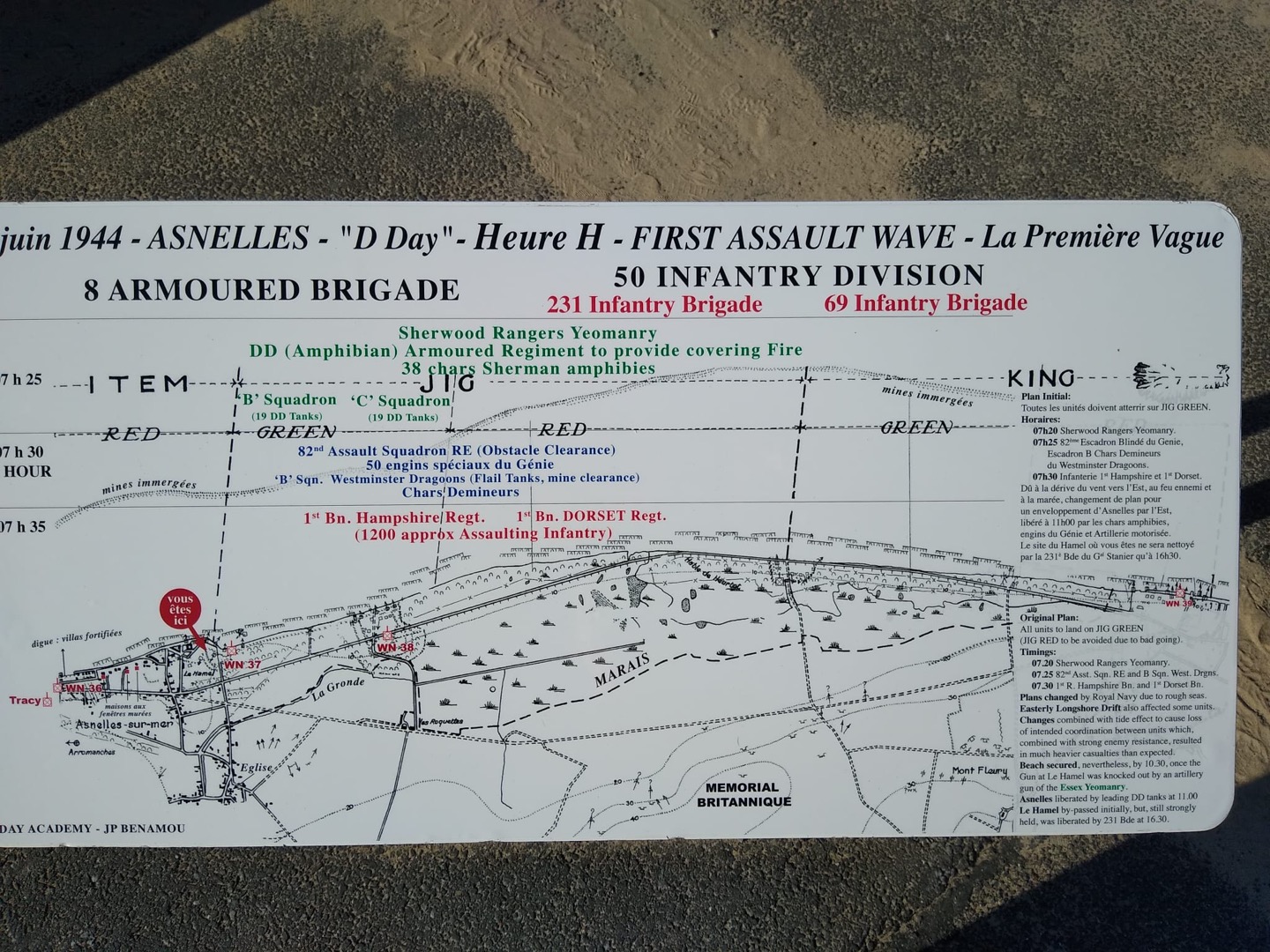
Local map of the Gold Beach first assault wave plan for 6th June 1944. The Landing Beach Zone Expedition team operate from the East Red Jig location on the Beach Road.
Follow this link for more information

Flowers placed anually on Gold Beach in a moving tribute to those who landed here on 6th June 1944. We don’t know who the thoughtful people are who place them there, but we thank them.
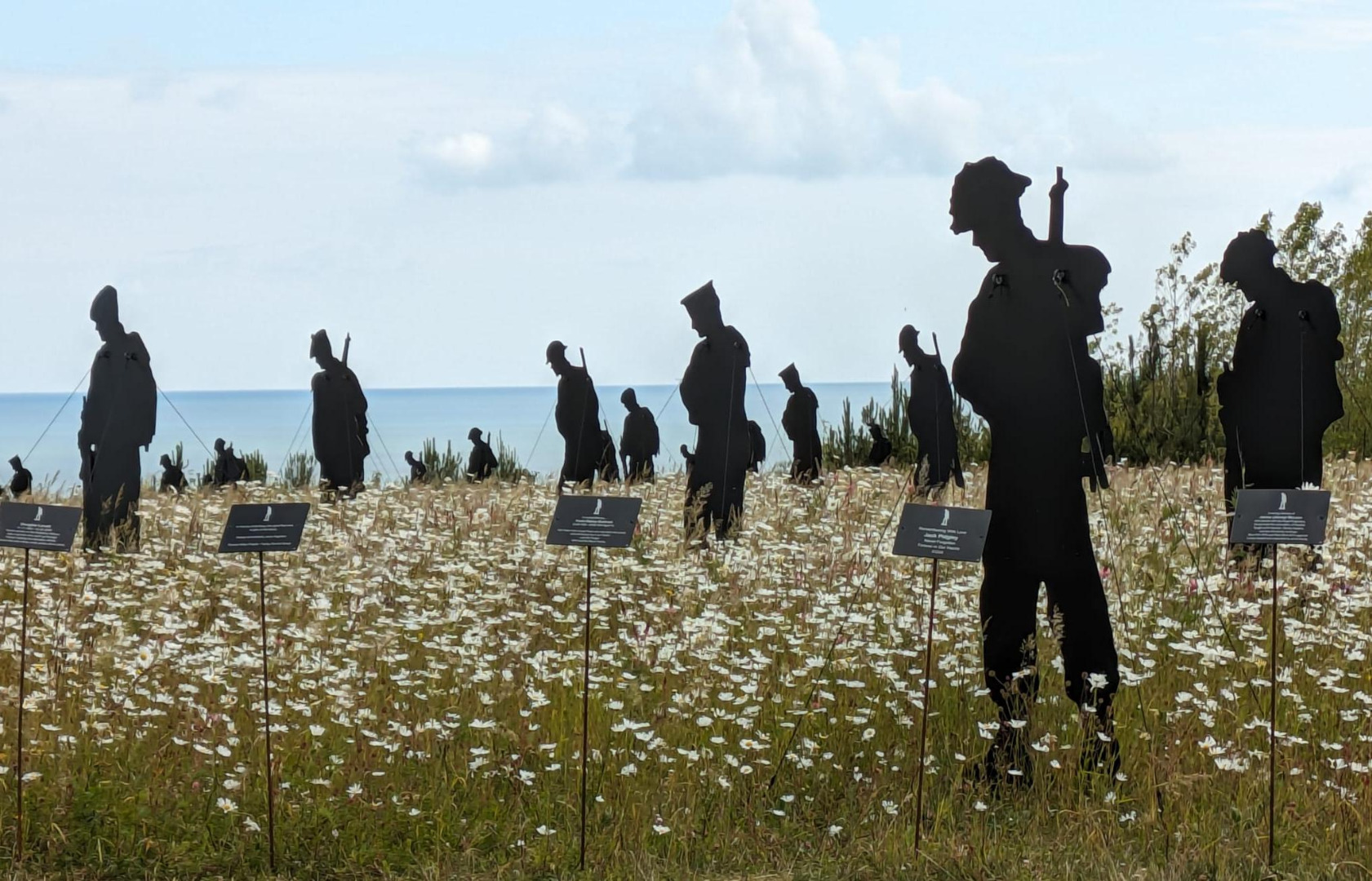
The “Standing with Giants” commemoration area at the British Memorial. There are 1,475 two metre tall “giants” representing each of those who died under British Command on 6th June 1944. In the background are the remains of the caissons of the Mulberry Harbour at Arrowmanche.